
MIRECC / CoE





ASPIRE Team | Rocky Mountain MIRECC for Veteran Suicide Prevention
 |
|||
 |
 |
 |
 |
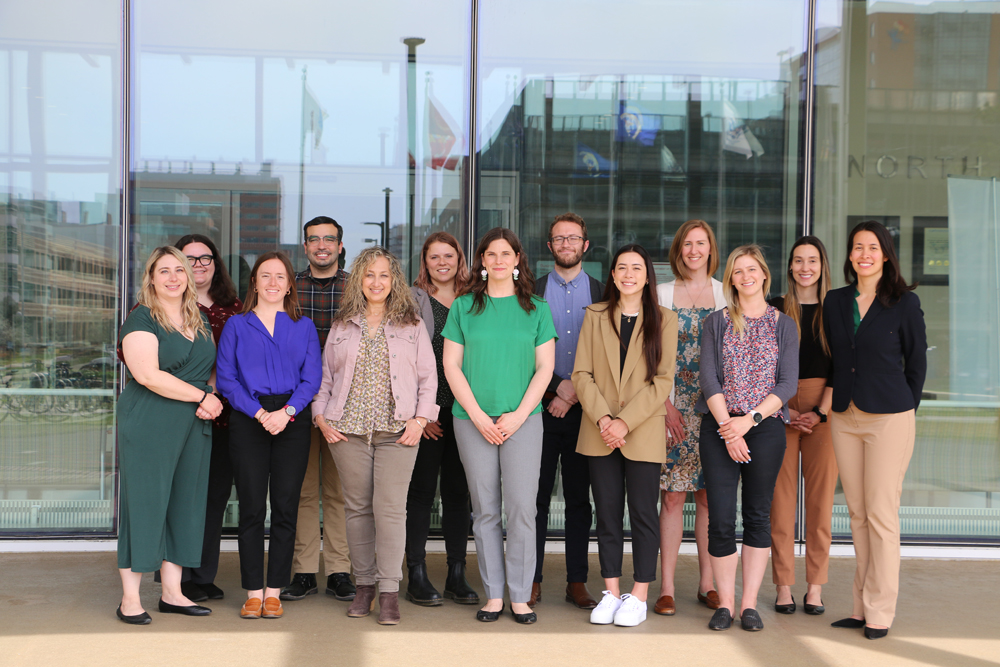
ASPIRE Lab Team
ASPIRE Leadership
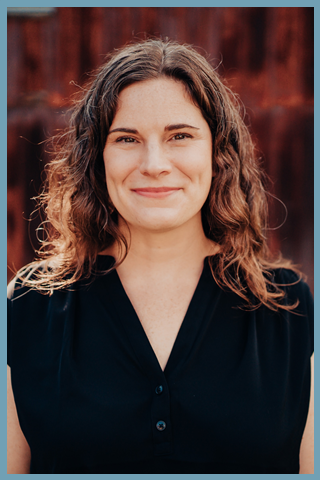
Claire Hoffmire, PhD
Epidemiologist
Department of Veterans Affairs, Rocky Mountain MIRECC
My research aims to inform evidence-based Veteran suicide prevention programs for all Veterans, within and outside the VA, and to better understand gender differences in Veteran suicide risk to inform gender-sensitive prevention strategies. I believe it is critical that we consider diverse Veteran perspectives in research aiming to improve Veteran suicide prevention. I am excited to co-lead the ASPIRE lab in research that may inform suicide prevention strategies both within the VA and in the communities in which Veterans live.
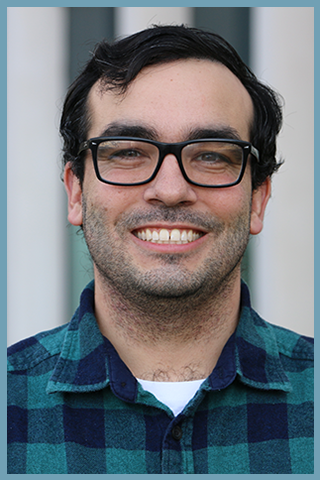
Ryan Holliday, PhD
Clinical Research Psychologist
Department of Veterans Affairs, Rocky Mountain MIRECC
I am dedicated to improving our understanding of the intersection of trauma and life stressors, such as homelessness and justice involvement, on Veterans’ mental health. My research seeks to understand how we, as a health care system, can provide the best evidence-based care to Veterans who have experienced these occurrences throughout their lives. I am excited to co-lead the ASPIRE lab, which harnesses multiple approaches to understand how we can best prevent suicide among Veterans within and outside the VA.

Lindsey Monteith, PhD
Clinical Research Psychologist
Department of Veterans Affairs, Rocky Mountain MIRECC
My research focuses on understanding how to prevent Veteran suicide, especially among women Veterans, trauma survivors, and Veterans who do not use VHA care. I believe it is critical to obtain Veterans’ perspectives and understand their experiences and preferences when developing suicide prevention initiatives. I am honored to co-lead the ASPIRE lab and look forward to learning from the Veterans we survey and interview to understand how we can prevent suicide among Veterans who have less commonly been included in previous suicide prevention research.
ASPIRE Research Staf
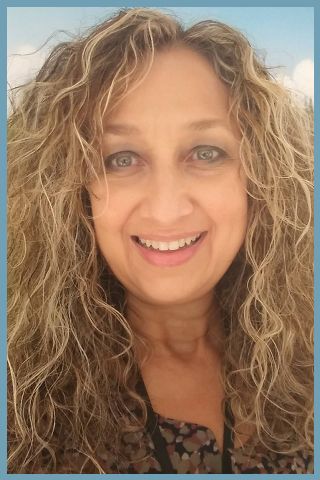
Evelyn (Eve) Casiano, CPhT
Study Coordinator
Department of Veterans Affairs, Rocky Mountain MIRECC
I am a Marine Corps Veteran with more than 20 years of medical research experience. I am honored to be working for the VA Rocky Mountain MIRECC and to serve my fellow Veterans through supporting research aiming to improve evidence-based practices to serve those who have served us first. I am very fortunate to be working with a passionate team that is committed to developing innovative strategies to meet the unique healthcare needs of our Veterans.
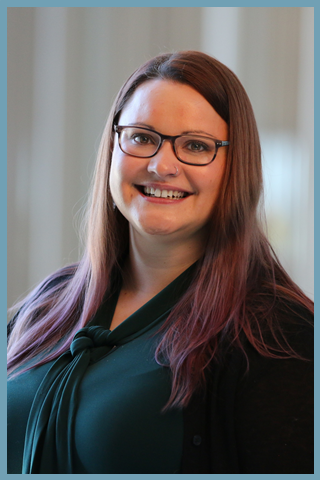
Ashley Griffith, PhD
Postdoctoral Fellow
Department of Veterans Affairs, Rocky Mountain MIRECC
I joined the Rocky Mountain MIRECC as a Postdoctoral Fellow in August 2022 after I completed my Ph.D. in Clinical Health Psychology at East Carolina University. My research interests have centered around understanding barriers and facilitators to accessing mental health care among service members and Veterans. In the ASPIRE Lab, I am exploring barriers and facilitators to engaging in suicide prevention strategies among LGBTQ+ Veterans, with an emphasis on transgender and gender diverse Veterans. I also bring an interest in understanding how rurality, region, and safety behaviors influence firearm ownership and suicide risk and prevention. I am excited to work with the ASPIRE Lab to continue serving and learning from Veterans, especially those who have historically been underserved.
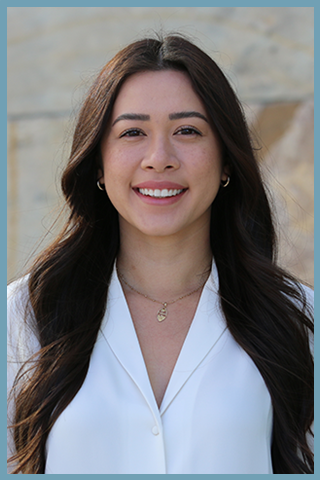
Christe'An Iglesias, MA
Health Science Specialist
Department of Veterans Affairs, Rocky Mountain MIRECC
I am a research coordinator at the Rocky Mountain MIRECC for Veteran suicide prevention with a background in psychology from San Diego State University and the University of Denver. I am passionate about understanding how to better serve underrepresented identities within the Veteran community. I hope to constantly learn from my peers and through Veterans’ perspectives. I am honored to work alongside the rest of the ASPIRE team.
Julie Kittel-Moseley, PhD
Postdoctoral Fellow
Department of Veterans Affairs, Rocky Mountain MIRECC
I completed my Ph.D. in Epidemiology at the University of Rochester and joined the Rocky Mountain MIRECC as a Postdoctoral Fellow in January 2022. My doctoral work examined the role of physical health and social isolation in the mental health of cancer survivors transitioning out of treatment and into survivorship. I bring my interest in the intersection of physical and mental health and how this informs upstream suicide prevention efforts to my work with the ASPIRE lab.
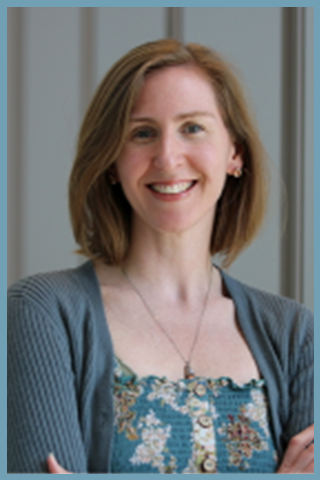
Theresa Morano, MA
Health Science Specialist
Department of Veterans Affairs, Rocky Mountain MIRECC
In 2016, I started working for the VHA, in the Office of Rural Health (ORH), to provide rural Veterans with the highest quality care through our many telehealth incentives. During my time in ORH, I was actively involved in planning and implementing Veteran care with a focus on Cardiac Rehabilitation and Tobacco Cessation. In January 2022, I transitioned to the Rocky Mountain MIRECC, becoming a member of the ASPIRE Lab. Working with a team solely focused on suicide prevention has been equal parts fulfilling and eye-opening.
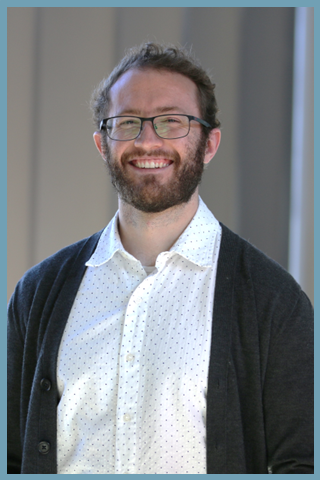
Evan Polzer, MA
Health Science Specialist
Department of Veterans Affairs, Rocky Mountain MIRECC
I am a trained social scientist whose research focuses on ways to improve care for Veterans and prevent suicide. My expertise is in qualitative data, learning from and listening to the experiences and lived histories of Veterans in order to develop new ways to foster lethal means safety as a suicide prevention strategy and reduce firearm suicide. I am honored to be an advocate for Veterans and provide a platform for their voices to be heard.
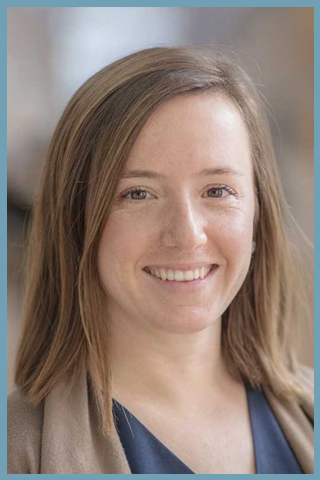
Carly Rohs, MPH
Health Science Specialist
Department of Veterans Affairs, Rocky Mountain MIRECC
I have been with the VA since 2018, as a project coordinator and primarily as a qualitative analyst. My projects’ topics ranged from patient decision making to increasing the communication between the VA and non-VA healthcare entities. I recently joined the MIRECC, and the wonderful ASPIRE Lab team, and am working on projects that inform suicide prevention and education, mostly for women Veterans and underrepresented Veterans. I obtained my Masters in Public Health from Boston University, specializing in Epidemiology and Maternal and Child Health. I am excited to bring my interest of merging big data with qualitative data to better inform studies and health programs. Lastly, I am honored to be a part of the ASPIRE team, investigating how to better meet Veterans’ mental health needs.

Alexandra Schneider, BA
Data Analyst
Department of Veterans Affairs, Rocky Mountain MIRECC
I have extensive experience working with large healthcare administrative databases and survey research data. This has given me a unique understanding of data sources and how they can be utilized to understand and improve health outcomes. I am also a passionate advocate for ensuring adherence to best practices for data storage and security. I am excited to be part of the ASPIRE lab as we gather important, novel data that can be used to help Veterans.
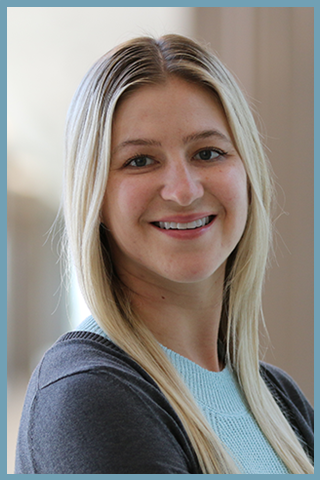
Suzanne Thomas, MA
Health Science Specialist
Department of Veterans Affairs, Rocky Mountain MIRECC
I am a research project coordinator with a background in psychology. I have worked in VA suicide prevention research for 4 years and am honored to be able to serve our Veterans. With the ASPIRE lab's crucial research, I hope to provide helpful and effective resources for Veteran suicide prevention.
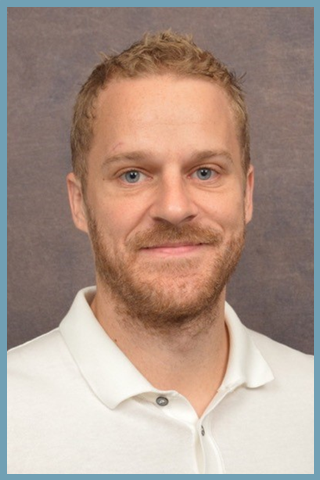
Jamie Tock, PhD
Statistician
Department of Veterans Affairs, Rocky Mountain MIRECC
My background is in data analysis, methodology, cognitive psychology, and bit of programming. I have worked with researchers in a variety of content areas to shape research ideas into testable questions and to compose data analyses that are aligned with those research questions. Much of my work has been focused on mental health, suicide prevention, and survey development. At the Rocky Mountain MIRECC, I look forward to utilizing these skills to collaborate with other researchers to develop knowledge in suicide prevention and potential interventions.
Last Updated 26 October 2023